

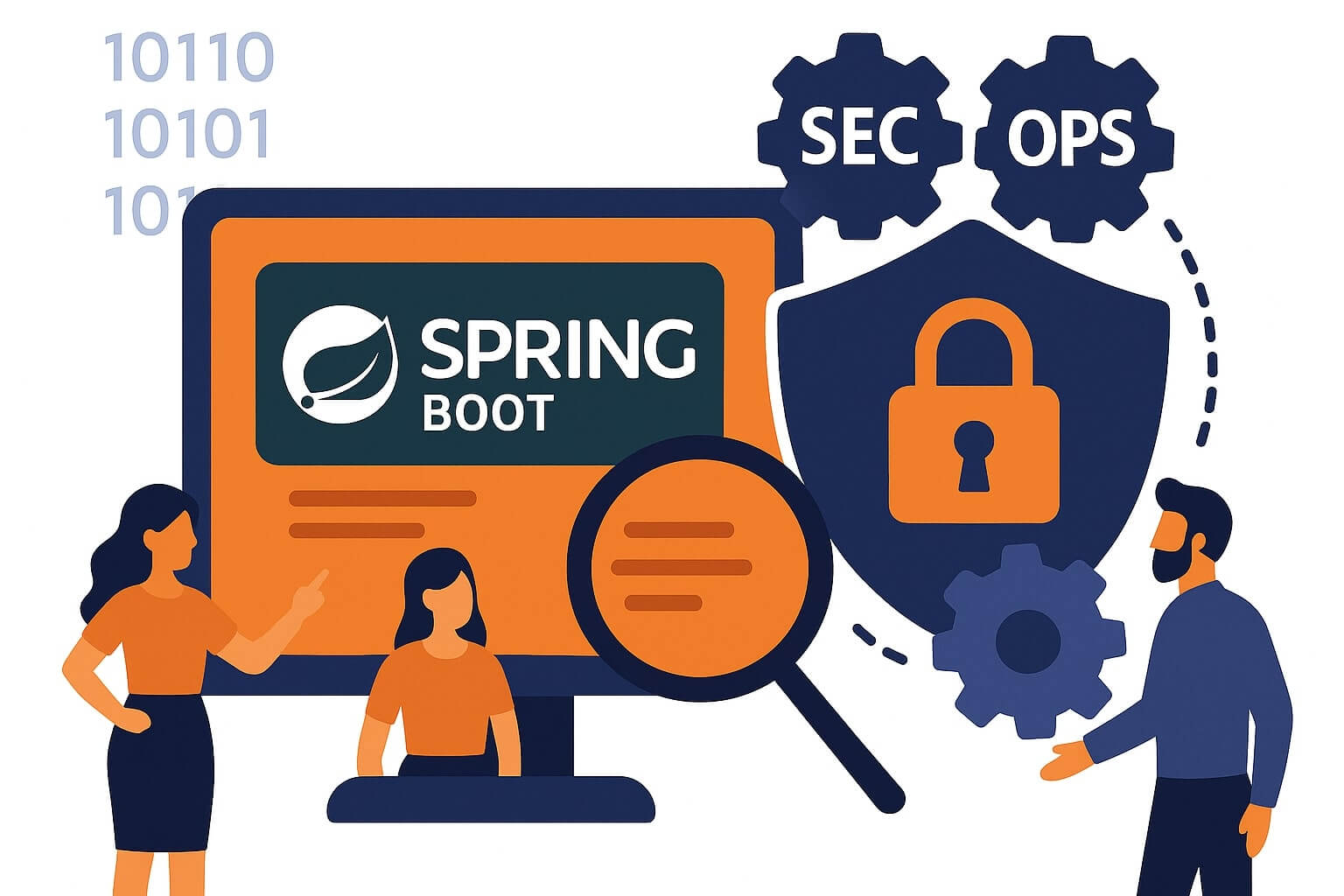
More and more often, we encounter a problem that shouldn’t really surprise anyone:APIs – or Application Programming Interfaces – are not just tools for communication between services, but also an easy target for cybercriminals. After all, it’s through the API that all data and commands flow, directly impacting our system.
Have you ever wondered whether every request to your API is properly secured? We should always use HTTPS to encrypt transmitted data. On top of that, strong authentication mechanisms such as OAuth2 or JWT tokens should be used to verify who is really using the application. But that’s not all. Every API call must also verify the user’s permissions – not everyone should have access to everything. In practice, this means that even a logged-in user shouldn’t be able to view confidential data without the appropriate privileges.
Additionally, input validation is crucial. It’s a defense against attacks like SQL Injection or Code Injection, which could take full control over the application or the infrastructure behind it. Even small mistakes in this area can lead to major outages or data leaks.
Spring Security offers most of these mechanisms out-of-the-box. However, it still requires conscious and precise implementation in the system architecture.
Case Study: Ivanti – When Incomplete API Security Configuration Opens the Door to Hackers
In 2025, the company Ivanti, known for its mobile device management solutions, fell victim to a serious breach. It all stemmed from misconfigurations in their backend built with Spring Boot. How did it happen? Some administrative APIs were found to lack Spring Security protection. What does this mean? Hackers were able to bypass login and gain access without any credentials.
But that wasn’t the end of the issues. The system used user input in error messages in a way that allowed code execution on the server. The combination of missing authentication and insecure input processing gave cybercriminals full control over the application – all without needing a password.
From our experience, even the best frameworks don’t absolve developers from thoroughly and consciously securing every route in the API. Regular testing and updates are essential to prevent small oversights from turning into disaster.

Case Study: Volkswagen – Accidental Data Exposure via Spring Boot Actuator
A year earlier, in 2024, security researchers uncovered another Spring Boot misconfiguration – this time in the development environment of Volkswagen.
Spring Boot Actuator is a tool that allows monitoring and managing applications. It includes endpoints with sensitive information: environment variables, system metrics, even configuration files. Unfortunately, these endpoints were exposed to the public without any protection. What did this mean in practice? Anyone could access data such as API keys, service paths, or tokens – which, although from a test environment, could have been reused to attack production systems. Fortunately, the issue was reported and fixed quickly, but this situation shows how important it is to treat even test systems with care and never expose them publicly without proper safeguards.
Security Is Now a Shared Responsibility – The Role of SecOps and DevOps
It might seem like security is solely the domain of cybersecurity specialists. However, in today’s world – where software is developed and deployed at lightning speed – every software engineer and DevOps professional must keep security in mind. DevOps has shortened software production cycles, but if we neglect security, we’ll just deliver bugs and vulnerabilities faster. This is where SecOps comes in – integrating security into the daily processes of developing and deploying applications.
At our company, we’ve noticed that teams combining developers and security specialists are more effective and less likely to suffer major incidents. Automated security testing, monitoring, and proper tooling help detect issues early – without slowing down development.
DevSecOps
From our experience, every misconfiguration and every missed security measure is a potential doorway for attackers. Frameworks like Spring Boot provide powerful tools, but they require conscious and systematic application. API security is a foundational element today – one that can no longer be ignored. That’s exactly why DevSecOps teams – combining development, operations, and security – are playing an increasingly important role. With this approach, security is no longer just the final phase of a project but an integral part of every step: from writing code, through testing, to deployment and production monitoring. This helps identify and eliminate vulnerabilities faster – before they become real threats. To automate these processes, our teams often use tools like Snyk and Trivy, which help detect vulnerabilities and fix security issues early in the development pipeline.